
 United Kingdom
 Australia
 Canada
 New Zealand
 Germany
 Singapore
 France
 Denmark

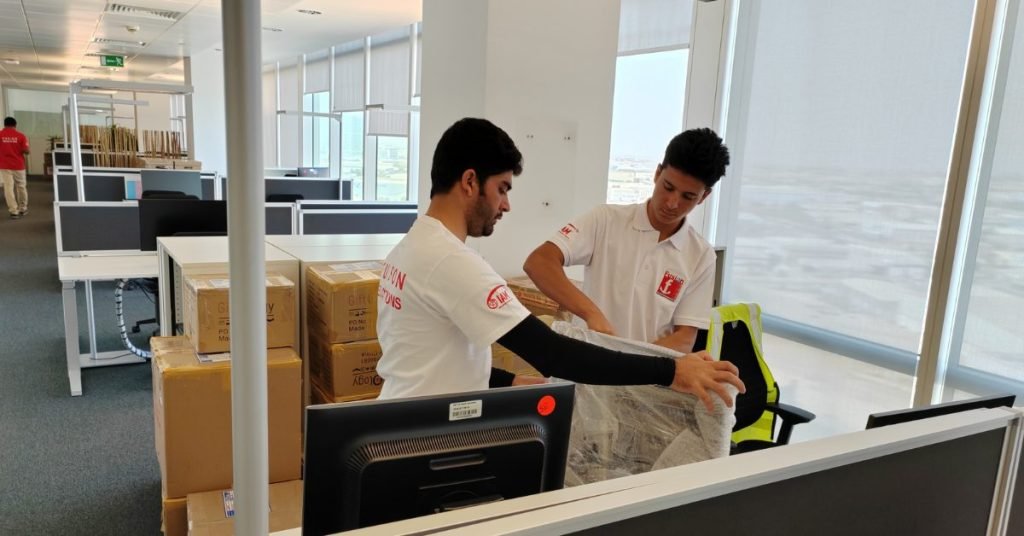
Moving guides
Moving with Plants: Tips for a Green Transition
Tips for moving house plants locally or internationally. Which survive, packing & temperature.

Introduction
Moving to a new home is an exciting yet challenging experience. Among the myriad of tasks involved, relocating your beloved green companions—your plants—can add an extra layer of complexity. However, with careful planning and some green-thumb strategies, you can ensure a smooth transition for your plants and maintain their well-being throughout the moving process. In this blog, we’ll explore some essential tips to help you move with plants and create a lush, green haven in your new space.
Plan Ahead
Like any successful endeavor, moving with plants requires thoughtful planning. Start by assessing the types of plants you have and their specific care needs. Take note of their size, shape, and any special considerations, such as sensitivity to light or temperature. Consider how these factors will play a role in the transportation process.
Prune and Repot
A few weeks before the move, prune your plants to reduce their size and encourage new growth. Repot them into lightweight, unbreakable containers to make transportation more manageable. Choose pots with proper drainage to avoid waterlogging during transit.
Secure Proper Packaging
Invest in sturdy, breathable boxes for your plants. Cardboard boxes with ventilation holes or specialised plant moving boxes are ideal. Place a layer of newspaper or bubble wrap at the bottom to provide cushioning and stability. Use packing peanuts or crumpled paper to fill any gaps, preventing the pots from shifting during transportation.
Choose the Right Time
Try to schedule your move during a mild season when extreme temperatures won’t negatively impact your plants. If possible, transport them in your vehicle rather than a moving truck, as this allows you to control the environment and minimise exposure to harsh weather conditions.
Watering Schedule
Adjust your plants’ watering schedule in the days leading up to the move. Water them thoroughly but allow the soil to dry out a bit to reduce the risk of spills during transit. Avoid watering them on the day of the move to prevent excess moisture.
Protect from Temperature Extremes
If you’re moving during hot or cold weather, take extra precautions to shield your plants. Cover them with paper or cloth to protect them from direct sunlight or frost. If the journey is long, consider using a climate-controlled vehicle or placing the plants in the interior of your car to shield them from extreme temperatures.
Check Regulations
Before embarking on your move, research and understand any regulations regarding the transportation of plants in your area or across state lines. Some regions may have restrictions or require permits for certain plant species.
Unpack and Settle In Quickly
Upon reaching your new home, prioritise unpacking your plants. Set them up in their designated spots, ensuring they receive the appropriate light and care promptly. This helps minimise stress and allows them to acclimate to their new environment faster.
Conclusion
Moving with plants may seem daunting, but with careful planning and attention to their specific needs, you can ensure a successful transition. By implementing these tips, you’ll not only protect your green companions during the move but also set the stage for a thriving, vibrant indoor garden in your new home. Happy planting!
Keep reading

Moving with Kids: Tips for a Smooth Transition and Minimising Disruption
Moving internationally with children? Age-specific tips to minimise disruption, prepare kids emotionally, choose schools & settle in.
3 min read
Ensure a Smooth Transition to Your New Home with These 5 Overlooked Moving Essentials
The 5 things people always forget. First-night box, utility transfers, address changes & medication.
2 min read
A Guide on Moving Plants with a Relocation Company
Can you ship plants when moving abroad? Import permits, phytosanitary certs & restrictions.
3 min read
Planning an international move from Dubai? Let us handle it.
We manage the export packing, the freight, the customs formalities at both ends and the delivery into your new home — one price, one point of contact.