
 United Kingdom
 Australia
 Canada
 New Zealand
 Germany
 Singapore
 France
 Denmark


Moving guides
A Guide on Moving Plants with a Relocation Company
Can you ship plants when moving abroad? Import permits, phytosanitary certs & restrictions.

Introduction
Moving to a new home can be an exciting adventure, but for plant enthusiasts, it comes with a unique set of challenges. Transporting delicate plants requires careful planning and execution to ensure they thrive in their new environment. In this blog post, we’ll explore the reasons why hiring a relocation company is a smart choice when moving plants, and we’ll provide you with a step-by-step guide to ensure your leafy friends make the journey safely.
Why Choose a Relocation Company?
Expertise in Handling Delicate Cargo:
Relocation companies specialise in transporting delicate and valuable items, making them the perfect choice for moving plants. They have experience handling fragile goods and know how to secure them during transit, minimising the risk of damage.
Customised Packing Solutions:
Plants come in various shapes and sizes, and a relocation company can provide customised packing solutions to accommodate the specific needs of each plant. From small succulents to large potted trees, professionals can tailor their approach to ensure every plant is securely packed.
Climate-Controlled Transport:
Plants are sensitive to changes in temperature and humidity, and a reputable relocation company will have climate-controlled transportation options. This ensures that your plants remain in the best possible condition during the journey, even if you’re moving across different climates.
Step-by-Step Guide to Moving Plants with a Relocation Company:
- Research and Choose a Reputable Relocation Company: Begin by researching relocation companies with experience in handling plants. Look for reviews, recommendations, and ensure they have the necessary permits for transporting plants across state or international borders.
- Schedule a Pre-Move Assessment: Invite a representative from the relocation company to assess your plant collection. This will help them understand the variety of plants you have, their sizes, and any specific care requirements.
- Discuss Special Handling Instructions: Provide the relocation company with any special care instructions for your plants. This may include temperature preferences, watering needs, and whether certain plants require extra protection.
- Customised Packing: Work with the relocation company to create a customised packing plan for your plants. This may involve using specialised containers, securing pots to prevent tipping, and protecting delicate foliage.
- Labeling and Inventory: Ensure each plant is properly labelled, and create an inventory list detailing each plant’s species and specific care instructions. This will help the relocation team keep track of your plants during transit.
- Coordinate Transport Dates: Coordinate the moving dates with the relocation company to ensure that your plants arrive at their destination in a timely manner. Consider the weather conditions and choose a date that minimises stress on your plants.
- Receive and Unpack with Care: When your plants arrive, carefully inspect each one for any signs of stress or damage. Unpack them with care and acclimate them gradually to their new environment.
Conclusion
Moving plants can be a daunting task, but with the expertise of a reliable relocation company, the process becomes much smoother. By following this step-by-step guide, you can ensure that your beloved plants not only survive the move but thrive in their new home. Happy planting in your new space!
Keep reading
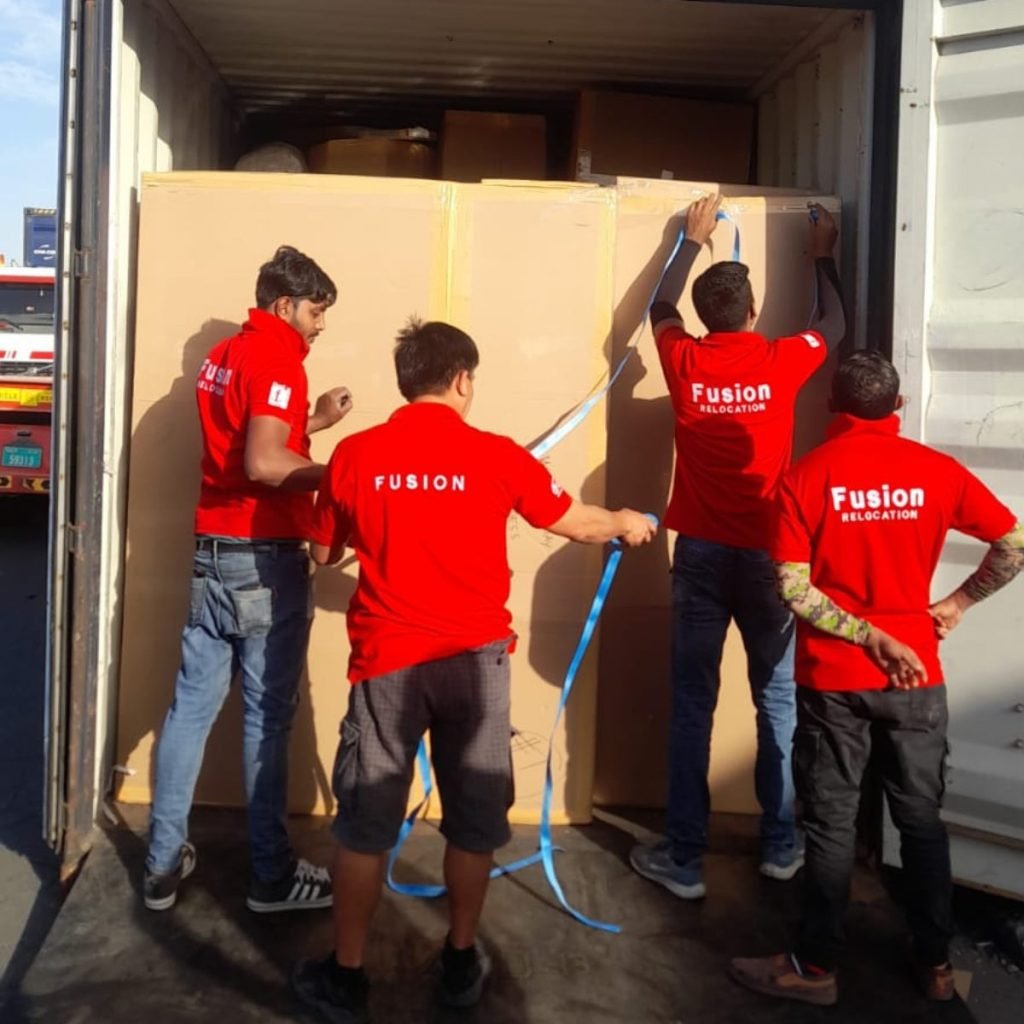
Why Hiring a Moving Company Is the Best Option for Shipping Personal Low-Volume Goods
Why a professional mover beats self-shipping for small consignments from the UAE: customs paperwork, packing standards, insurance and door-to-door care.
3 min read
The Right Way to Choose a Luxury Car Transport Company
How to choose a luxury car transport company: licences, reviews, quotes, enclosed transport, insurance and timing — and why the cheapest option rarely wins.
2 min read
Professional Fine Art Shipping Company in Dubai
Professional fine art shipping from Dubai. Custom crating, climate transport, CITES permits & all-risk insurance.
2 min read
Planning an international move from Dubai? Let us handle it.
We manage the export packing, the freight, the customs formalities at both ends and the delivery into your new home — one price, one point of contact.