
 United Kingdom
 Australia
 Canada
 New Zealand
 Germany
 Singapore
 France
 Denmark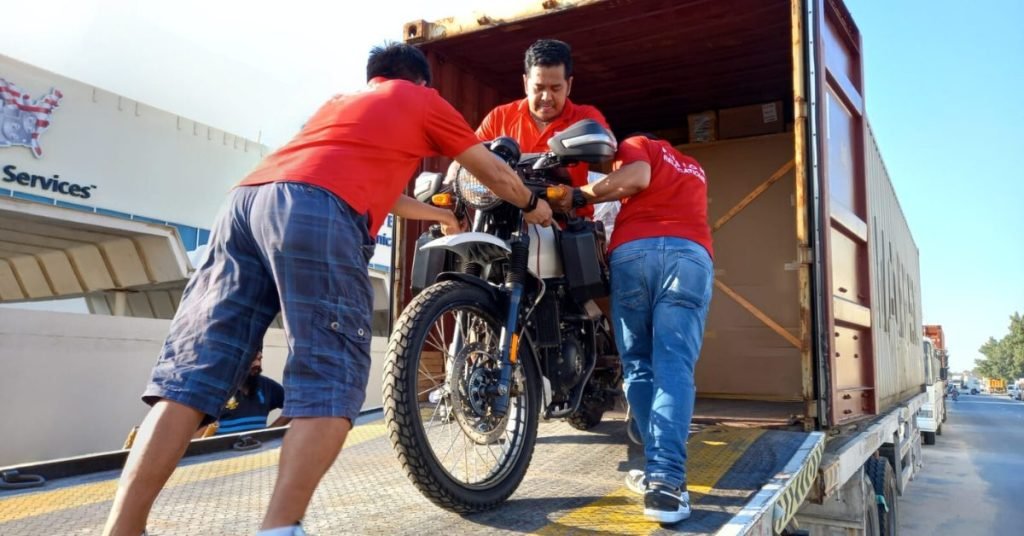

How It Works
Seven steps from your first call to the last box
No jargon and no hand-offs — one clear process and one coordinator who owns it from your doorstep in Dubai to your new home anywhere in the world.
We listen & survey
A free home or video survey to understand exactly what you are moving, where to, and when — so nothing is guessed and nothing is missed.
We quote in writing
A clear, itemised quote — within one business day — covering packing, freight, customs and delivery in one price, with no surprise charges.
We plan & book
Your coordinator locks dates, shipping method and any extras, and starts customs paperwork early so timing is never the thing that holds you up.
We pack to export standard
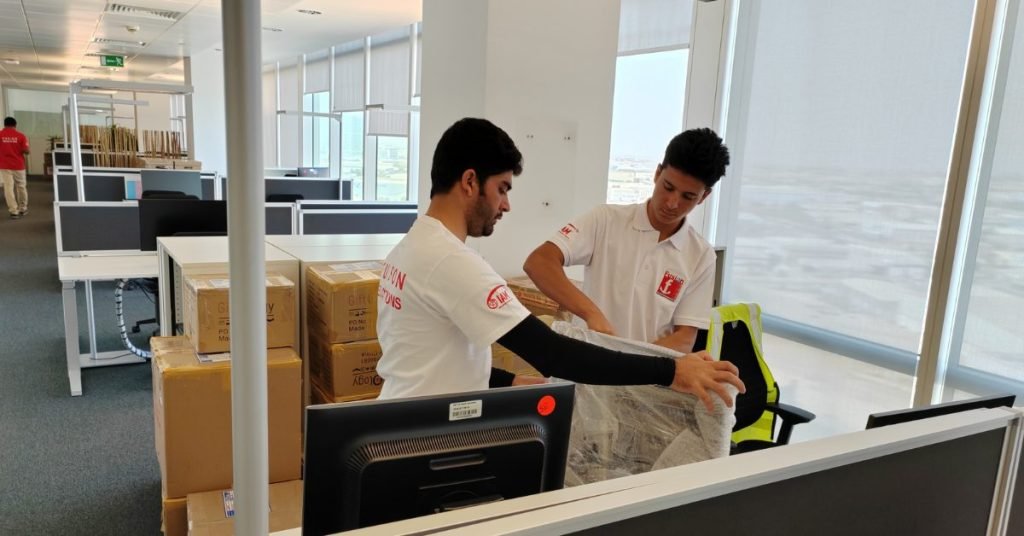
Professional materials, careful handling and a full inventory prepared as we go — the same inventory that clears your goods through customs.
We ship & clear customs
Your goods move by sea or air with milestone updates from your coordinator, while we manage export clearance and destination customs, including relief schemes where you qualify.
We deliver to your door
Our destination partner handles arrival, access and delivery — parking permits, lift bookings and building notice all arranged in advance.
We help you settle in
Unpacking, debris removal and storage if your home is not ready yet — we are not done until you are comfortably in.
One coordinator. One plan. One point of contact.
You will never be passed around a call centre. From your first enquiry to the last box unpacked, the same person owns your move and always knows exactly where things stand.

The sequence every international move follows
An international move looks complicated from the outside because a lot of separate things have to happen in a particular order. In practice it is one sequence, and it is the same sequence every time. Knowing it in advance is most of what makes a move feel manageable rather than chaotic.
The survey — and why it comes before any number
Nothing can be priced accurately until someone has seen what is moving. A survey takes under an hour, happens at your home or over a video call, and produces the single figure the rest of the move depends on: your volume, in cubic metres.
The surveyor is not just counting boxes. They are looking at what needs crating rather than wrapping, what will not fit through the door it came in by, what is going to storage rather than travelling, what you have decided to sell, and what access looks like at your end — which floor, which lift, whether a permit is needed. A quote produced without that is an estimate dressed up as a price, and it is the reason final invoices so often exceed the number that won the business.
The written scope
What you receive after the survey should state what is being packed, how it is travelling, what happens at the destination, what is not included, and the price for exactly that. If you are comparing quotes, compare these documents rather than the headline figures — two quotes that differ by a wide margin usually differ because one of them excludes something.
Booking, and the dates that actually constrain you
Once the scope is agreed we book the crew and the freight. The order in which dates get fixed matters more than people expect. The immigration or visa position at the destination comes first, because your belongings cannot be delivered before you can legally receive them. School admission windows come next if you have children. Then the notice period on your Dubai tenancy. The shipping calendar comes last, because it is the most flexible of the four.
Packing day
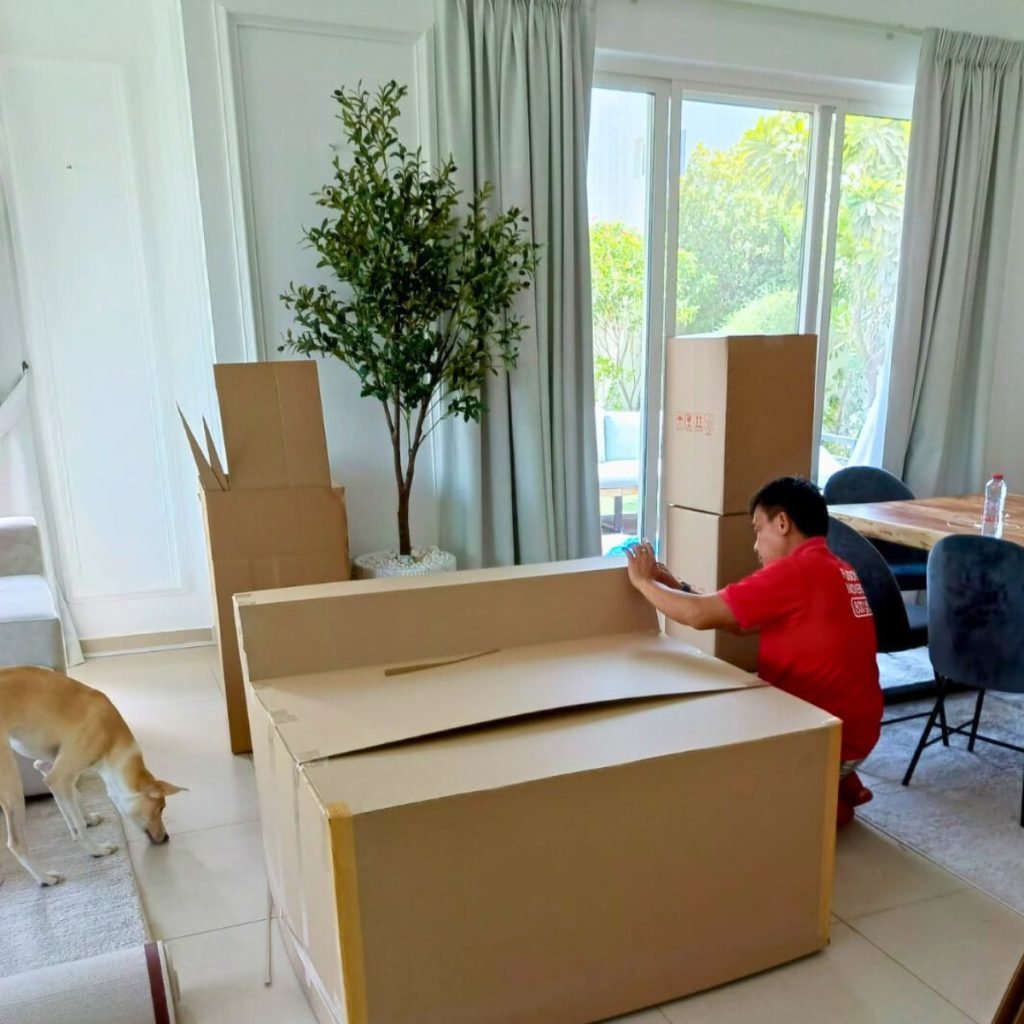
Our crew packs at your home. Everything is inventoried as it goes into the carton, and every carton is numbered and listed — that inventory is what customs is shown at both ends and what an insurance claim is settled against, so it is worth a few minutes of your attention on the day.
Fragile items are wrapped individually. Art, antiques, mirrors, marble and anything with an irregular shape travel in crates built to their dimensions rather than in a box that happens to fit. Electronics are packed in their own cartons with the cabling labelled. If you want to pack anything yourself you can, but be aware that owner-packed cartons are treated differently by insurers and are more likely to be opened at customs.
Export from the UAE
Your shipment is sealed, documented and cleared for export. This is the least eventful part of the process and normally requires nothing from you beyond copies of your passport and visa.
The freight itself
By sea, in your own container or sharing one; by air where speed matters more than cost; or a combination, with a small air shipment covering your first weeks and the household following by sea. Which is right depends on volume, budget and how long you can live out of a suitcase — we will price the options rather than push you towards one.
Import at the destination
Our partner at the other end handles customs clearance, including the transfer-of-residence relief application where the country offers one and you qualify for it. This is the stage where paperwork prepared badly costs real money, which is why the documentation is built during packing rather than assembled at the port.
Delivery
Delivered to the property, carried to the room you want each item in, unpacked if you have asked for it, and the packing debris taken away the same day. Your inventory is checked off as items come in. Anything damaged is noted then, not later — a claim raised at delivery is straightforward, one raised weeks afterwards is not.
What we need from you, and when
At enquiry:
Where you are going, roughly what is moving, and the window you are working to.
At survey:
Access details, and a decision about anything unusual — a vehicle, a piano, a safe, a pet.
Before booking:
Your destination address if you have one, and where the immigration timeline stands.
Before packing:
Anything you have decided not to ship, separated out. This is the single most useful hour you can spend.
Before delivery:
Confirmation the property is ready and access is arranged.
Where moves go wrong
Almost never on the water. The recurring causes are a date promised to an employer or a landlord before anyone checked what that date required; a destination property that is not ready when the container lands; and an inventory that does not match what customs is shown. All three are decided at the planning stage, which is why the survey happens before dates are committed rather than after.

See the process in action
Book a free survey and we will map out your move, step by step.