
 United Kingdom
 Australia
 Canada
 New Zealand
 Germany
 Singapore
 France
 Denmark

Moving guides
The Ultimate Guide to Moving Low-Volume Personal Goods: What You Need to Know
How to ship a small consignment from Dubai without paying for space you do not use: groupage, air freight, packing standards and what each option costs.
Introduction
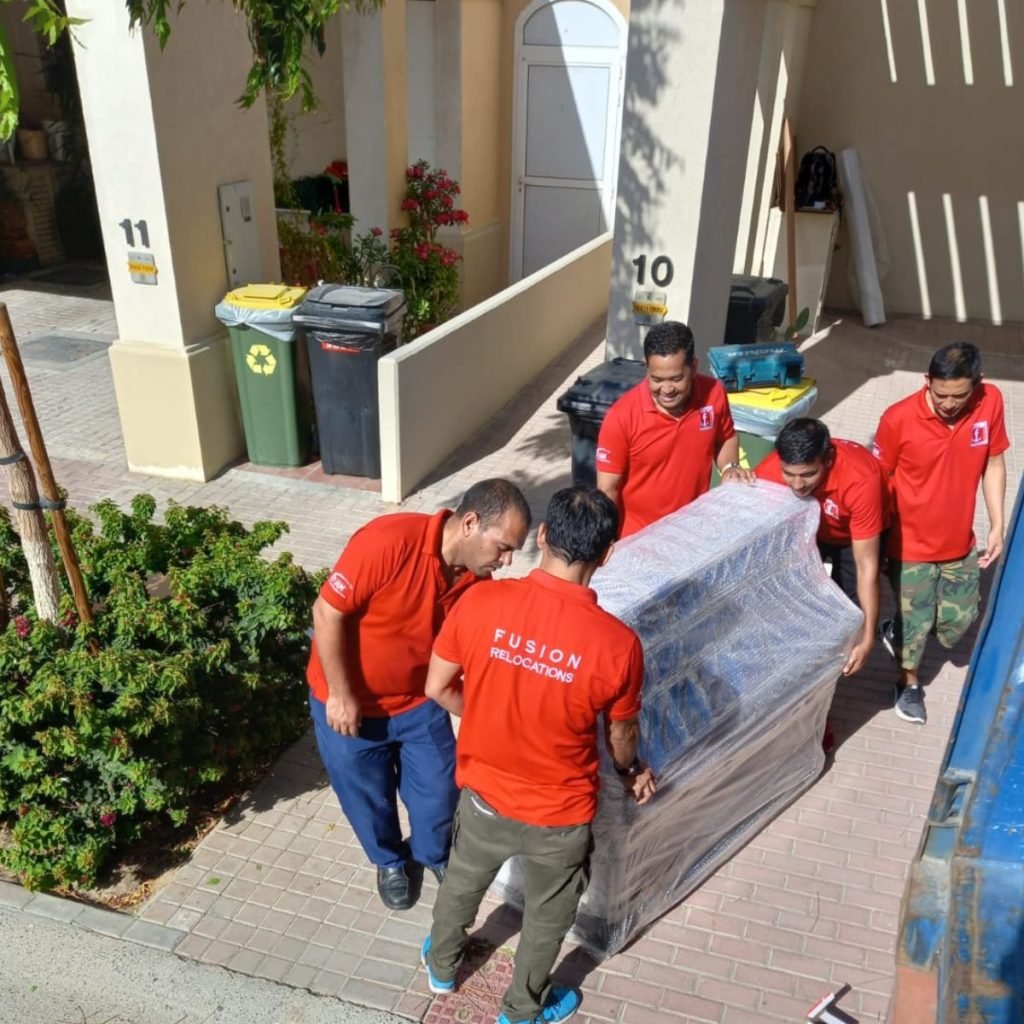
Moving can be a daunting task, especially when it comes to transporting low-volume personal goods. Whether you’re downsizing, relocating temporarily, or simply need to move a small quantity of belongings, this guide is here to make the process smoother and more manageable. From packing tips to choosing the right transportation, we’ve got you covered. Let’s dive into the ultimate guide to moving low-volume personal goods.
Chapter 1: Assessing Your Inventory
Before you start packing, take stock of your belongings. Identify the items you absolutely need and those you can live without. This initial assessment will help you downsize and streamline your moving process. Consider donating or selling items that no longer serve a purpose, making your move lighter and more cost-effective.
Chapter 2: Packing Like a Pro
Packing efficiently is crucial when dealing with a smaller volume of items. Opt for sturdy boxes, packing materials, and bubble wrap to ensure the safety of your belongings. Group similar items together and label boxes clearly. This not only makes unpacking easier but also helps you keep track of your possessions during the move.
Chapter 3: Choosing the Right Transportation
Low-volume personal goods give you flexibility in choosing the right transportation method. Options range from traditional moving trucks to shipping services and even portable storage containers. Evaluate your budget, the distance of the move, and the size of your items to determine the most suitable option for you.
Chapter 4: DIY vs. Professional Help
Decide whether you want to take on the moving process yourself or enlist professional help. DIY moves are cost-effective but can be time-consuming and physically demanding. Hiring professionals, on the other hand, ensures a smoother process but comes with a higher price tag. Consider your schedule, budget, and physical capabilities when making this decision.
Chapter 5: Researching Moving Companies
If you decide to go the professional route, research moving companies thoroughly. Read reviews, compare quotes, and ask for recommendations from friends or family. Look for companies that specialise in handling low-volume moves, as they may offer more tailored services to meet your needs.
Chapter 6: Navigating the Logistics
Coordinate the logistics of your move by creating a detailed plan. Determine the timeline, book transportation or services in advance, and notify relevant parties of your change of address. Having a well-thought-out plan reduces stress and ensures a seamless transition to your new location.
Chapter 7: Settling into Your New Space
Once you’ve arrived at your destination, unpack strategically. Start with the essentials and gradually tackle the remaining boxes. Take your time arranging your new space to make it feel like home. Consider this an opportunity for a fresh start, surrounded by the belongings that truly matter to you.
Conclusion
Moving low-volume personal goods may seem like a breeze compared to a full-scale move, but it comes with its own set of challenges. By assessing your inventory, packing efficiently, choosing the right transportation, and planning carefully, you can make the process smoother and more enjoyable. Follow this ultimate guide to ensure a stress-free move that leaves you excited for the next chapter in your life.
Keep reading
Why Hiring a Moving Company Is the Best Option for Shipping Personal Low-Volume Goods
Why a professional mover beats self-shipping for small consignments from the UAE: customs paperwork, packing standards, insurance and door-to-door care.
3 min read
The Ultimate Guide to Car Relocation Services: What You Need to Know
Shipping a car from the UAE: container versus RoRo, the documents customs will ask for, insurance, and how to prepare the vehicle before collection.
3 min read
Relocating to Ireland? All You Need to Know
Relocating to Ireland? Shipping household goods by sea or air, what to take, customs rules and restricted items, storage, and bringing your pet with you.
4 min read
Planning an international move from Dubai? Let us handle it.
We manage the export packing, the freight, the customs formalities at both ends and the delivery into your new home — one price, one point of contact.