
 United Kingdom
 Australia
 Canada
 New Zealand
 Germany
 Singapore
 France
 Denmark

Customs & duty
How to Avoid Unnecessary Customs Duty while Moving from Dubai
Don't pay duty you don't owe. How to qualify for customs exemptions when moving from Dubai — country-by-country.
To get your belongings through customs is not a simple process, you have to take steps to make sure it goes smoothly as possible. Taking shortcuts and moving overseas causes stacks of extra paperwork, additional costs and misplaced items.
The inventory is the foundation
Every country of the world needs you to complete a detailed inventory of every belonging you bring in. This borders officials to calculate customs duty and keeps eye on anything untoward.
Assume it will be inspected
The vast majority of containers are x-ray scanned or physically inspected in the world. So don’t try to sneak anything through. Don’t do it accidentally too, ensure to know exactly what is and isn’t allowed in the country you move to. Few countries have restrictions to things like chewing gum (Singapore) and ballpoint pens (Nigeria).
Packing affects the bill
Appropriate packing is another must. In physical inspections, if the goods are a nightmare to look through, the procedure takes longer with charged additional fees.
We have friendly suppliers and a helpful bunch to help you through the entirety of the customs process.
How duty relief on a household move actually works
Most countries offer some form of relief on the personal belongings of someone genuinely moving there — usually called transfer of residence relief, removal goods relief or something similar. It exists because taxing a family’s own used furniture at import would be absurd. It is not a loophole and it is not aggressive planning; it is the ordinary route, and the goal is simply to qualify for it properly and prove it.
What follows is general. The qualifying period, the documents accepted, the form to file and the categories excluded all differ by country and change over time. We confirm the specifics for your destination rather than publish figures that may be out of date — see the customs guides for country pages, or ask us for your route.
The conditions relief usually turns on
- You are genuinely transferring residence — moving to live there, not sending goods ahead of an undecided plan.
- You lived outside the destination for a qualifying period before the move. This is where most claims are won or lost.
- The goods are used and were owned by you for a minimum period before shipping. Items bought new just before the move are frequently excluded.
- They are for your own use, not for sale or for a business.
- They are imported within a window around your arrival — usually generous, but not open-ended.
- You apply correctly, and often in advance. Several countries require the application to be approved before the goods land.
What is almost always excluded
Relief covers household goods and personal effects. It rarely covers alcohol and tobacco, which are dutiable in their own right nearly everywhere. Vehicles are treated separately, under their own rules, and are the most common source of an unexpected bill. New goods still in packaging are treated as imports rather than personal effects. Commercial quantities of anything — however personal it feels — will be read as trade. And some categories are restricted or prohibited outright regardless of duty: firearms and ammunition, certain plants, seeds and foodstuffs, and anything made from a protected species, which catches ivory, some corals and certain hardwoods and skins.
The mistakes that create avoidable bills
- A vague inventory. “Box of assorted items” invites inspection and re-valuation. A specific, itemised list is the single most effective thing you can do.
- Shipping before the immigration position is settled. Relief usually depends on your residence status, so goods arriving ahead of it may not qualify.
- Buying new furniture before the move. Understandable, and frequently dutiable. Buy at the other end where you can.
- Under-declaring values. This is not a saving; it is a misdeclaration, and it puts the whole shipment at risk rather than one item.
- Missing the application deadline. Some reliefs cannot be applied for retrospectively, and there is no remedy once the window closes.
- Assuming last time’s rules still apply. Thresholds and documents change; a move five years ago is not a guide.

What we do about it
The relief application is prepared as part of the move rather than tacked on at the end, and the inventory that supports it is built during packing — which is why packing-day documentation matters more than it appears to. Our destination partner files it and deals with the authority. Where you do not qualify, we say so before the shipment moves, so the cost is a decision rather than a surprise at the port.
Ask before you pack, not after
Almost every avoidable duty bill traces back to a decision made before anything was in a box. If you are unsure whether something qualifies, whether a vehicle is worth shipping, or how the timing interacts with your visa, ask us first. It costs nothing and it is a great deal cheaper than finding out at the border.

Keep reading

International Adventures: Navigating Customs with Personal Groupage Shipments
How customs clearance works with groupage shipments. Individual documentation & duty relief.
3 min read
Why You Should Use Air Shipment for Small and Urgent Moves
When air freight is the right choice for a move from Dubai — urgent timelines, small volumes, and how it compares with sea freight on cost and transit.
4 min read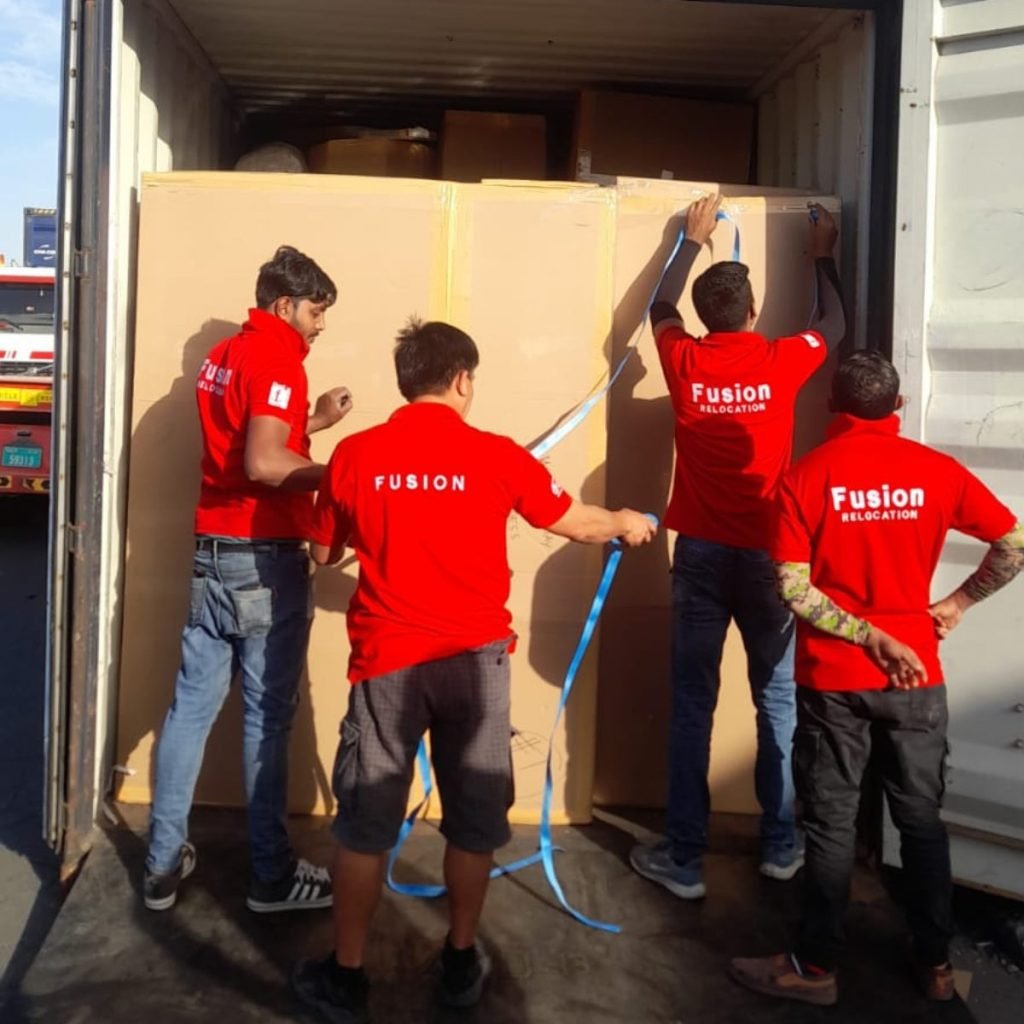
Why Hiring a Moving Company Is the Best Option for Shipping Personal Low-Volume Goods
Why a professional mover beats self-shipping for small consignments from the UAE: customs paperwork, packing standards, insurance and door-to-door care.
3 min read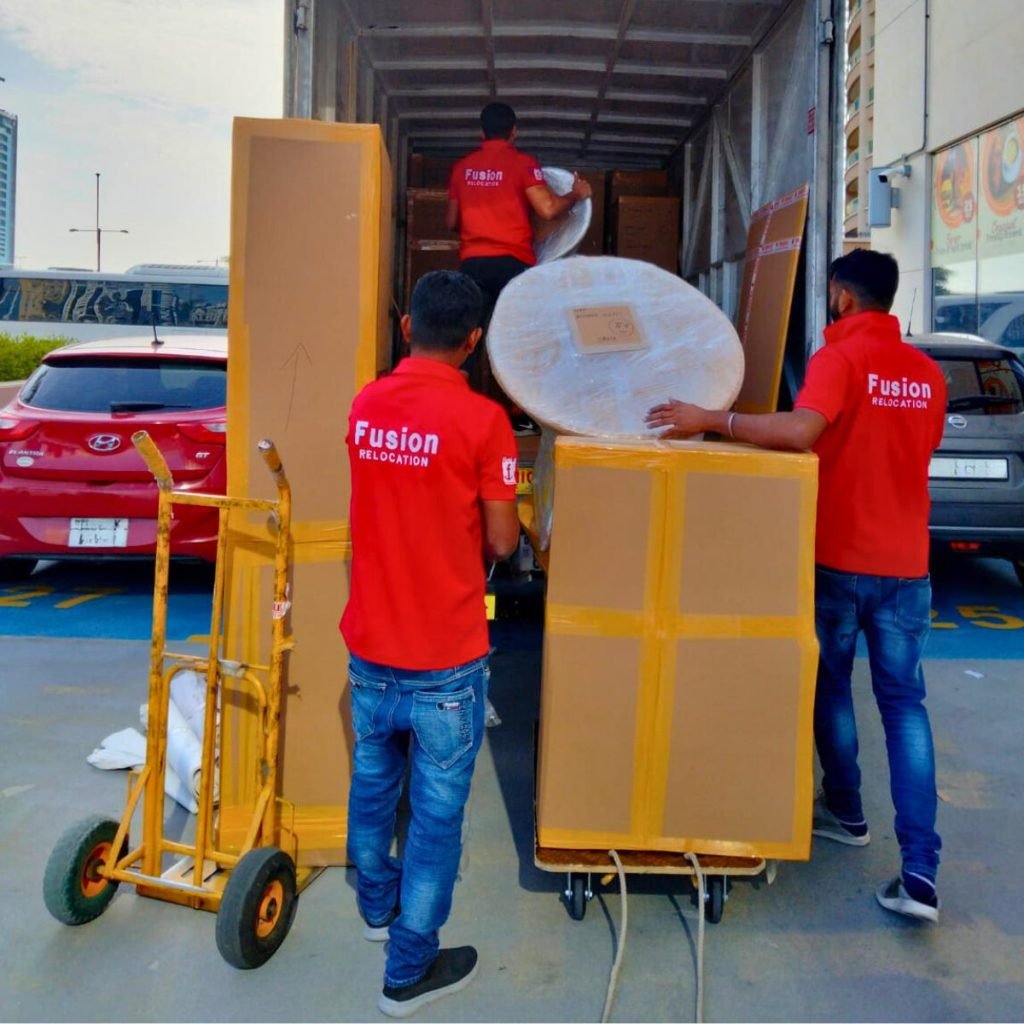
Not sure what you can bring? We will tell you before you pack.
We manage the export packing, the freight, the customs formalities at both ends and the delivery into your new home — one price, one point of contact.